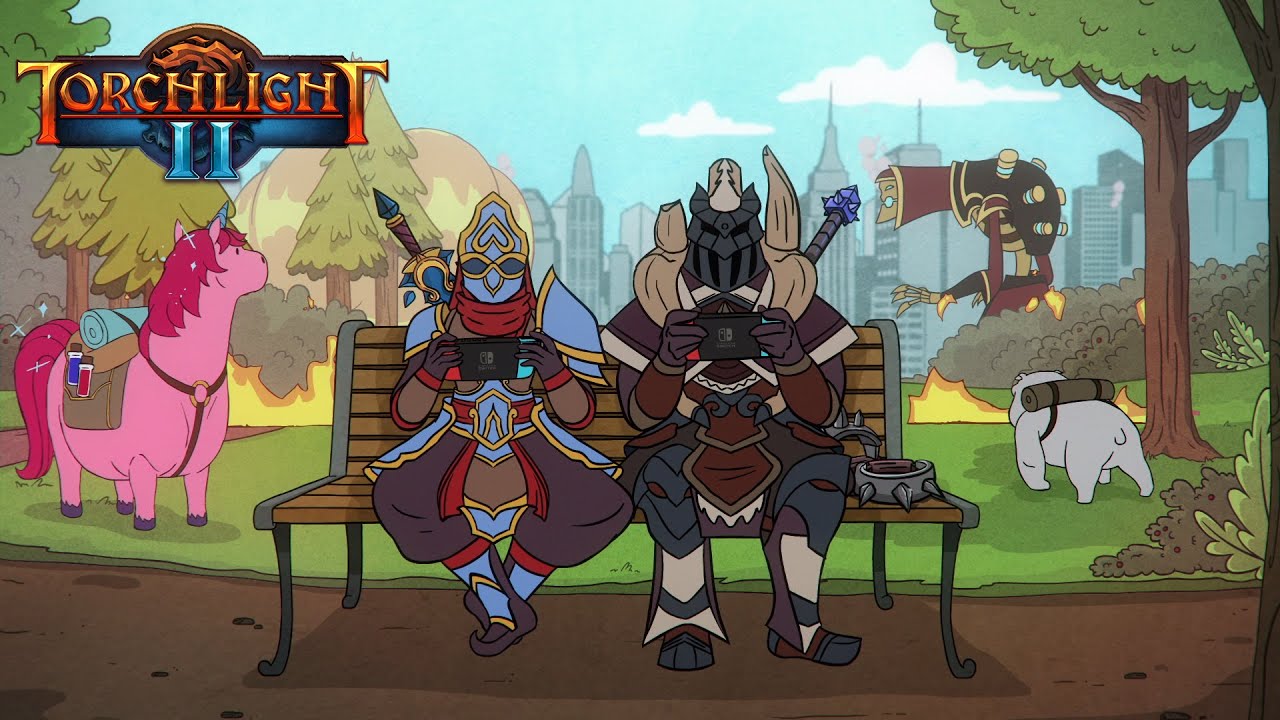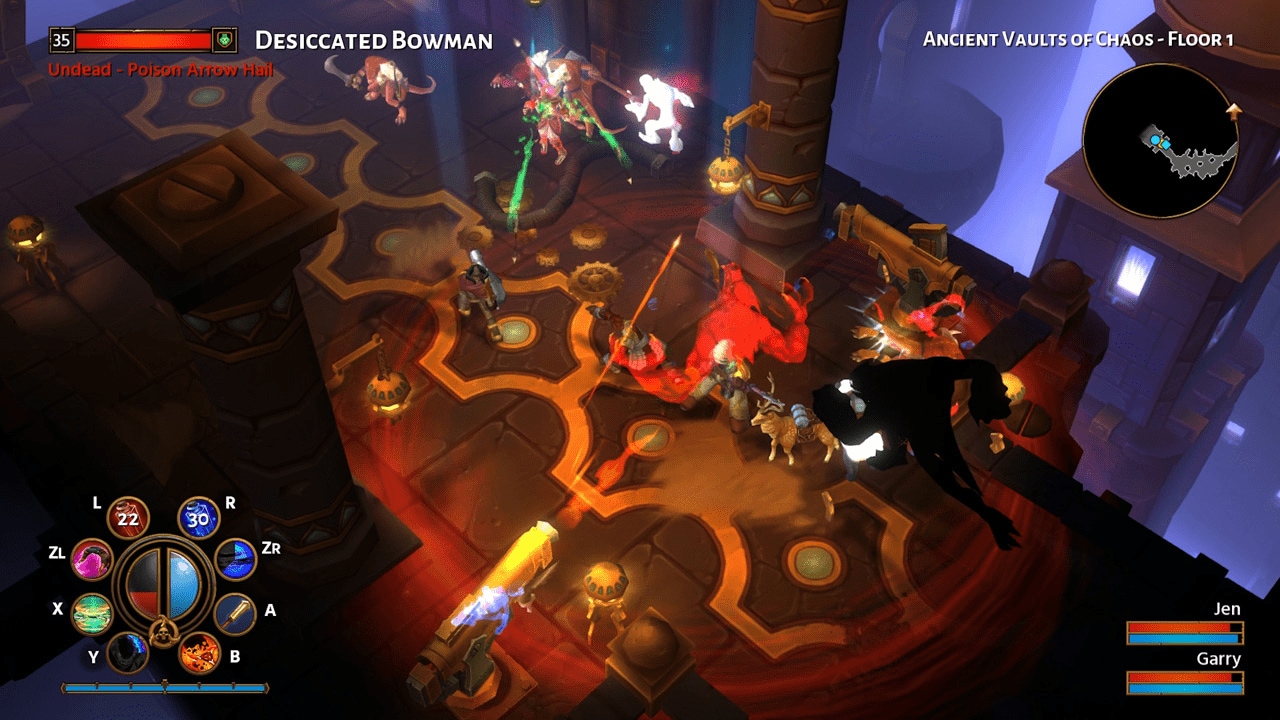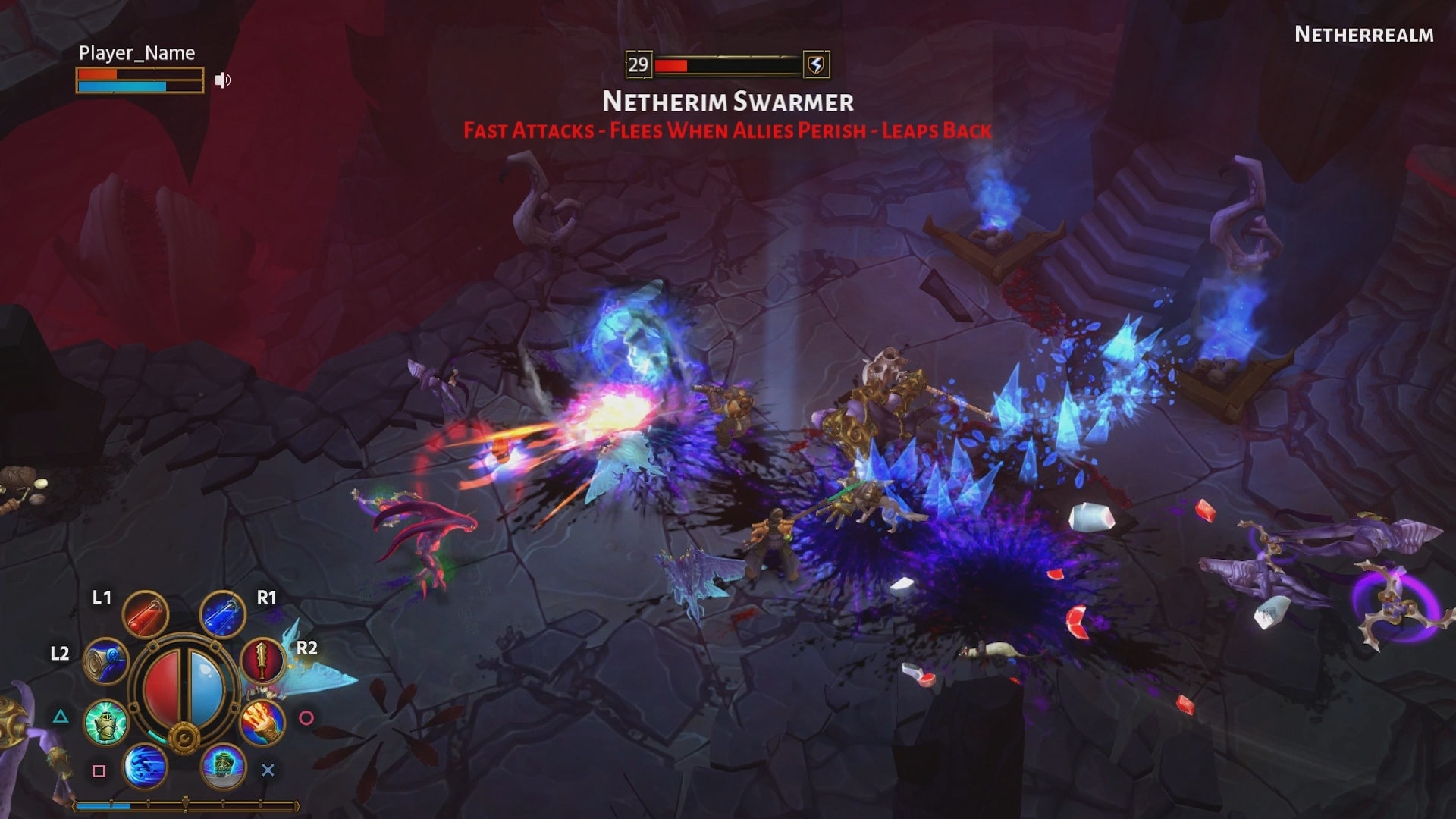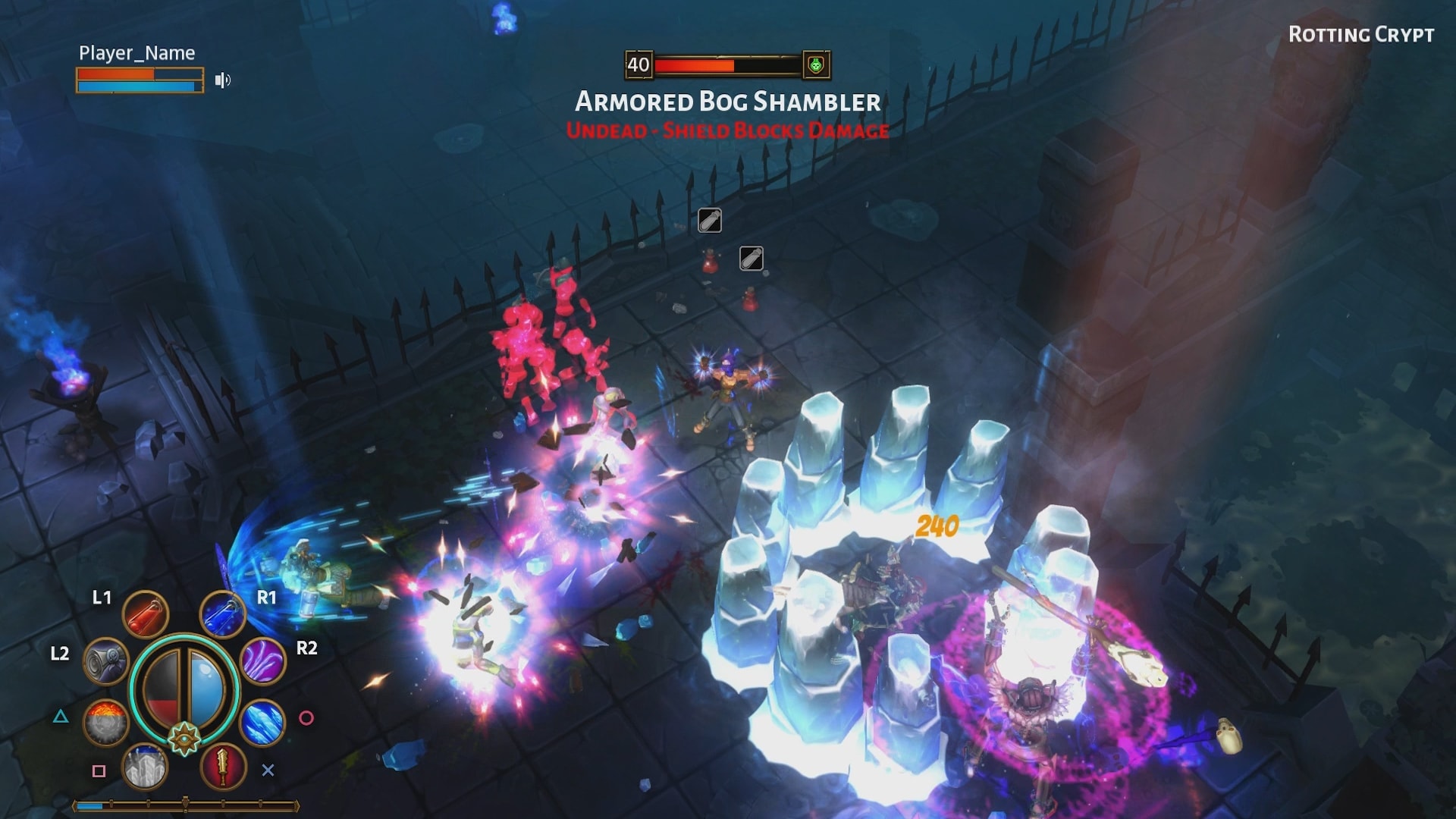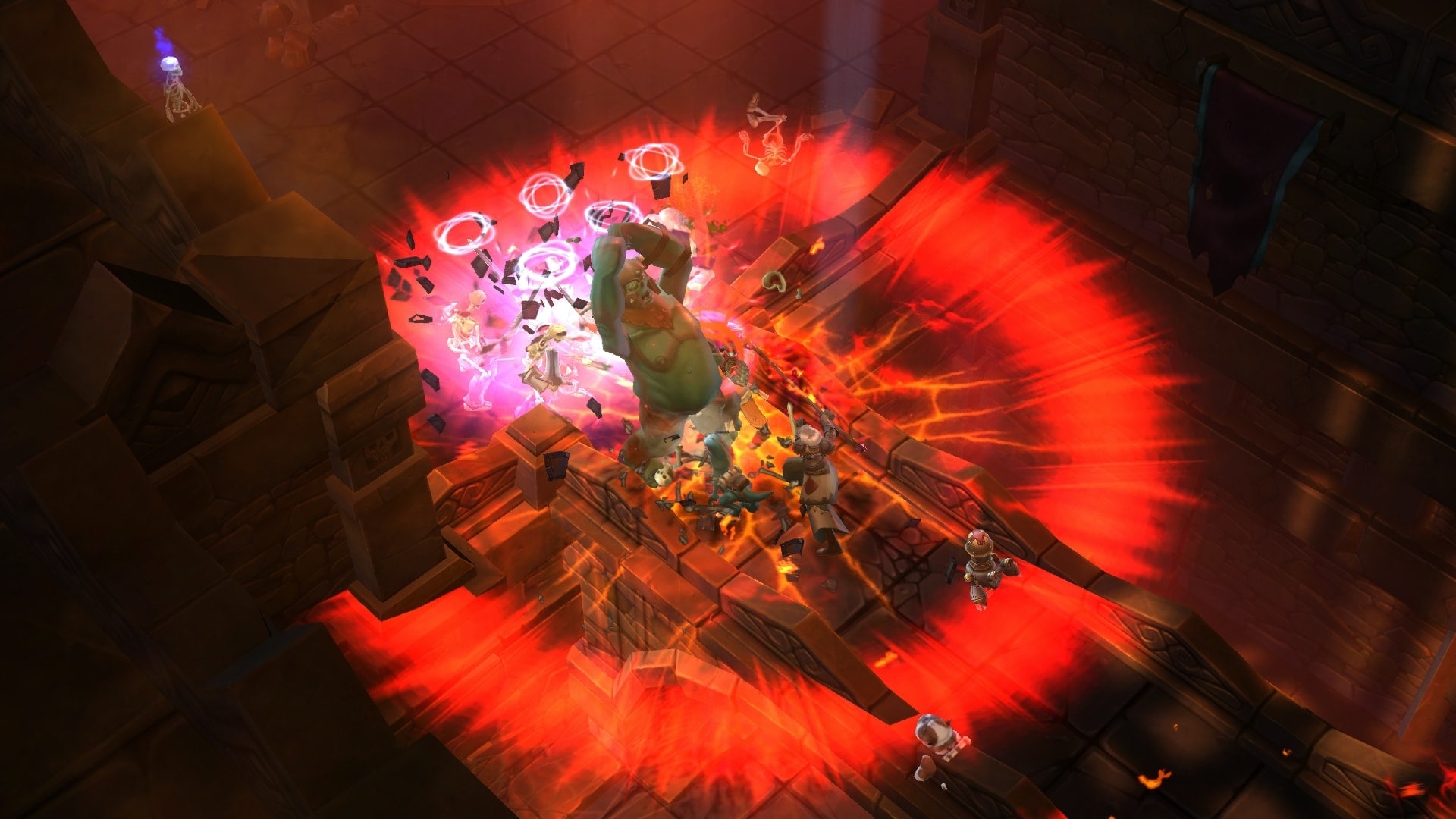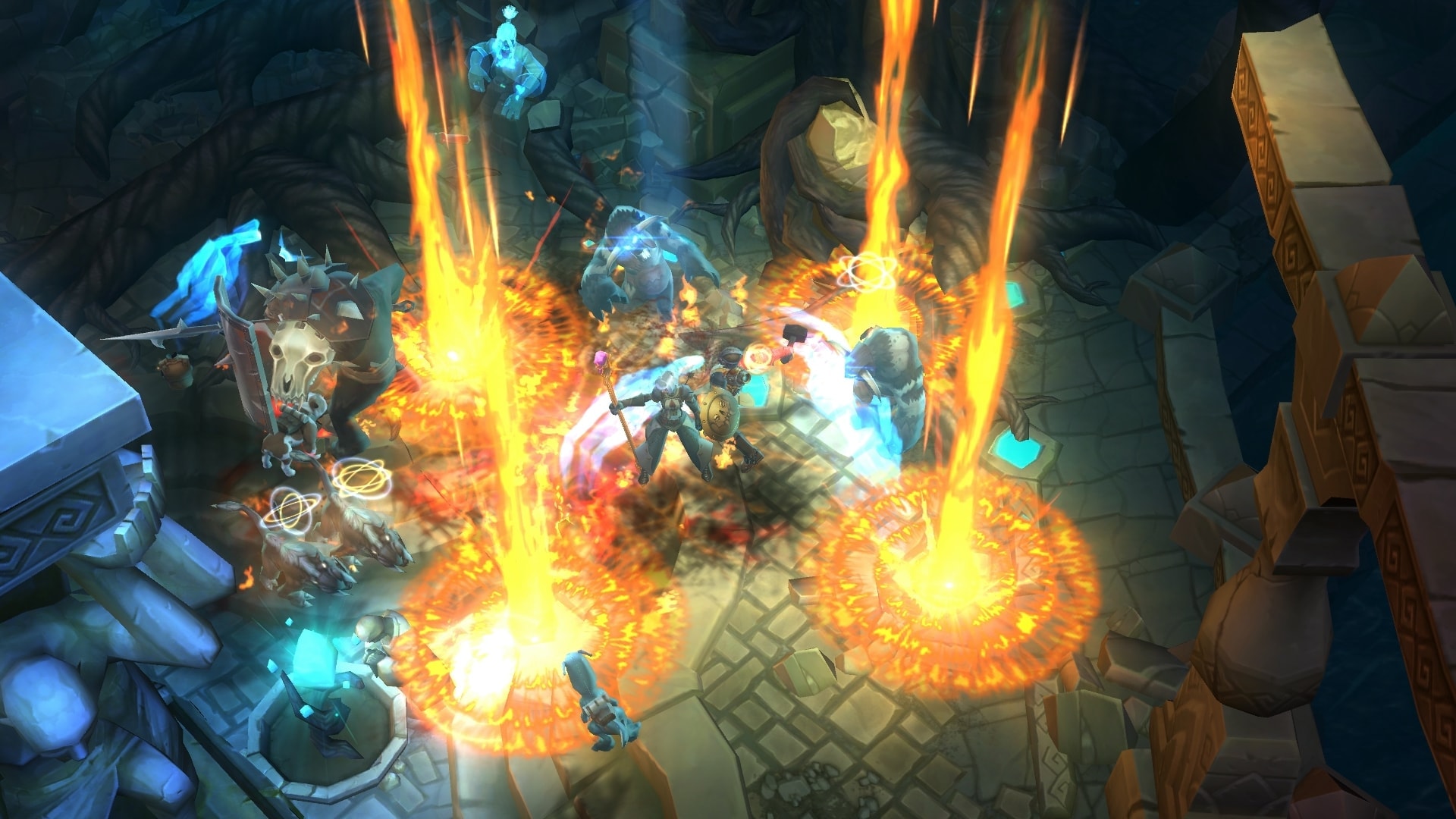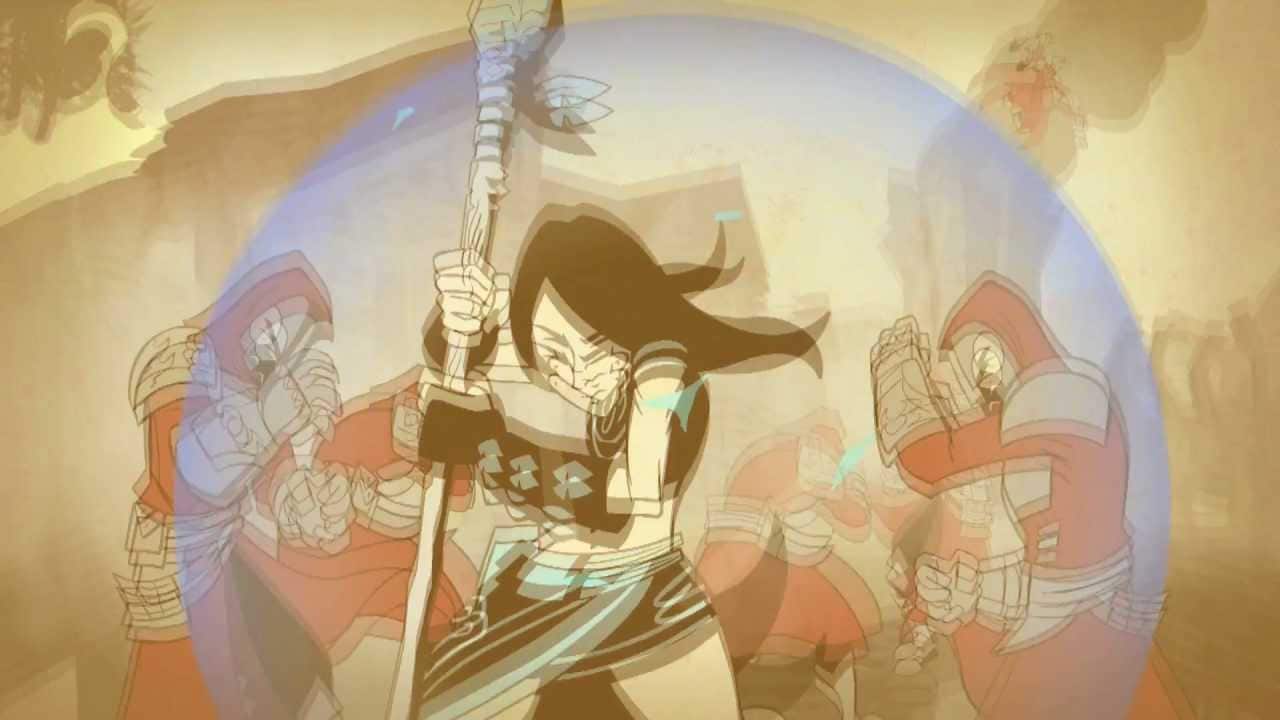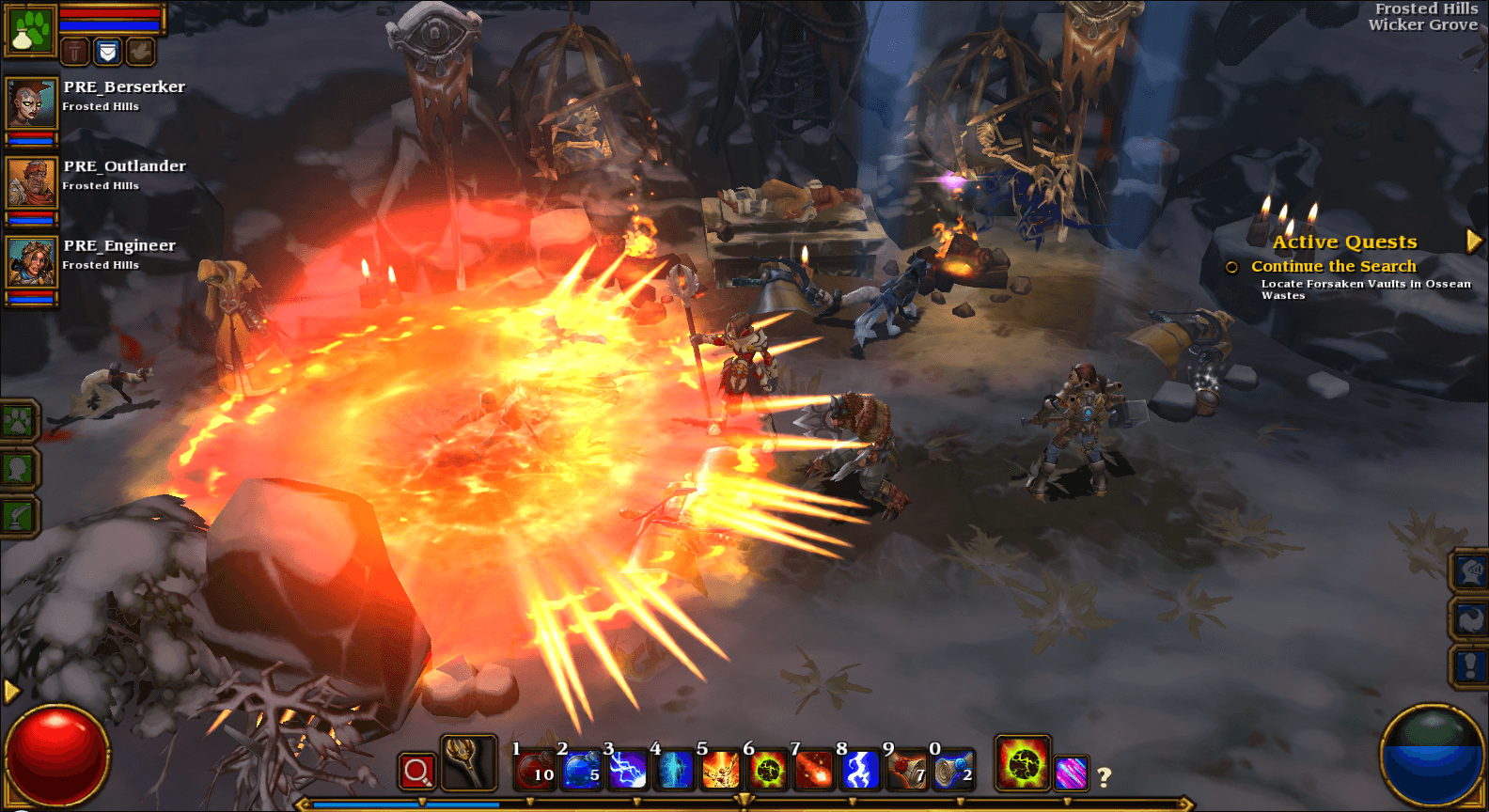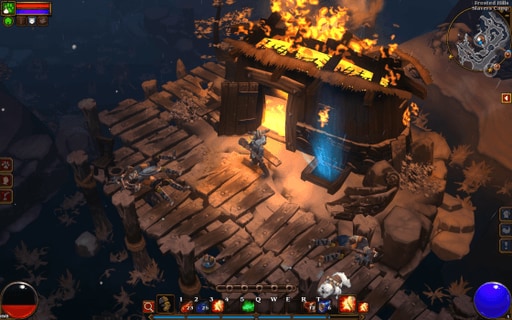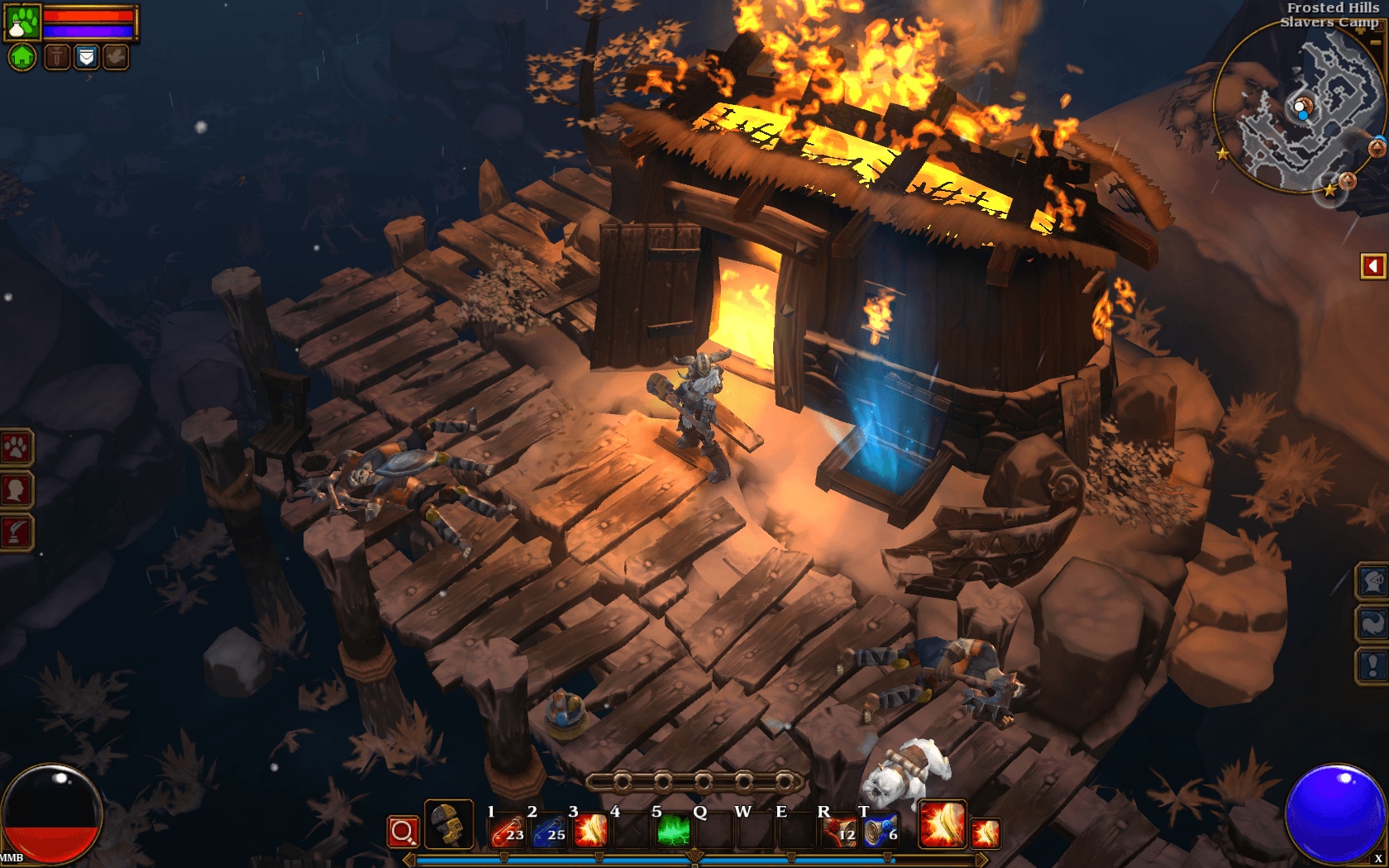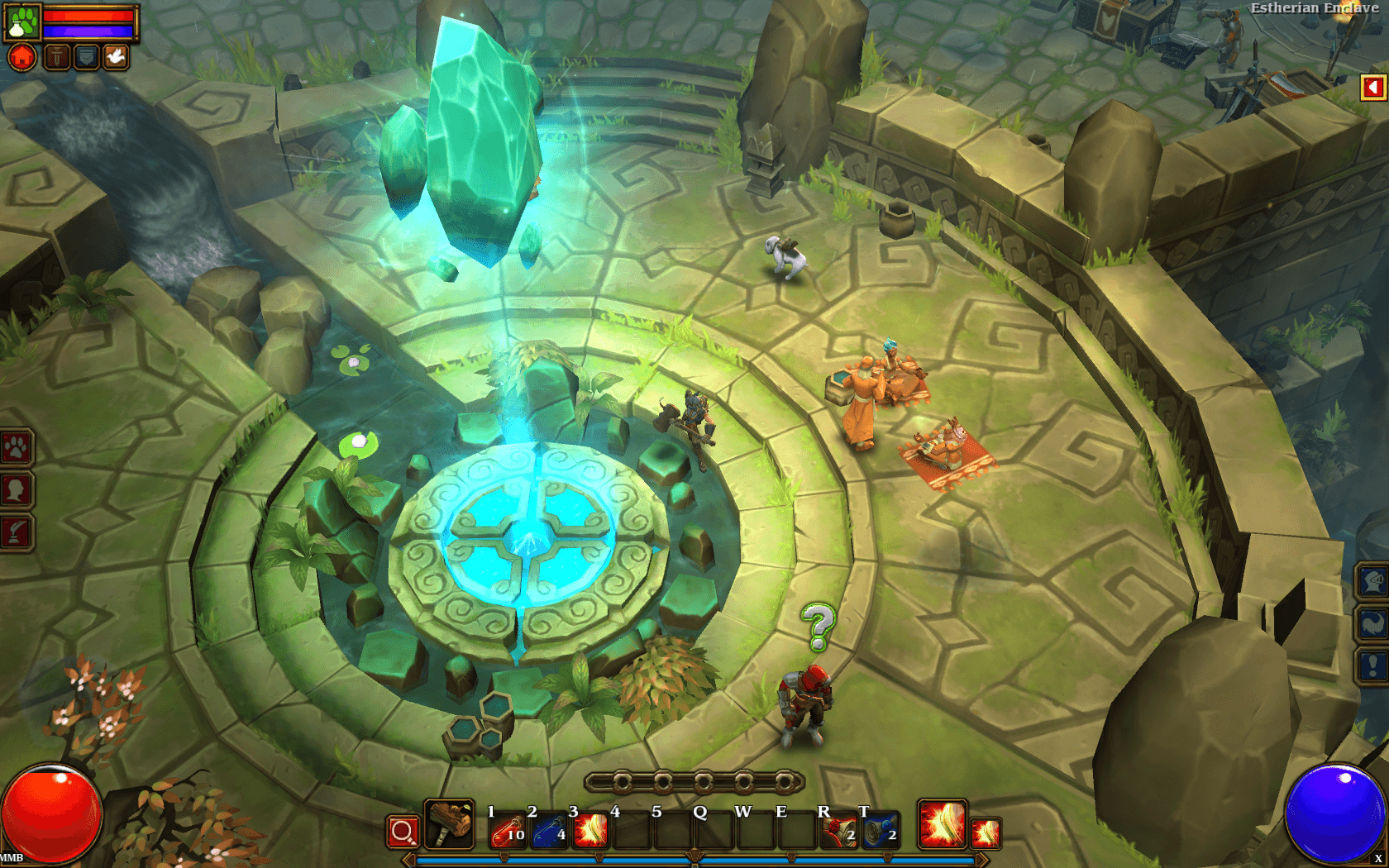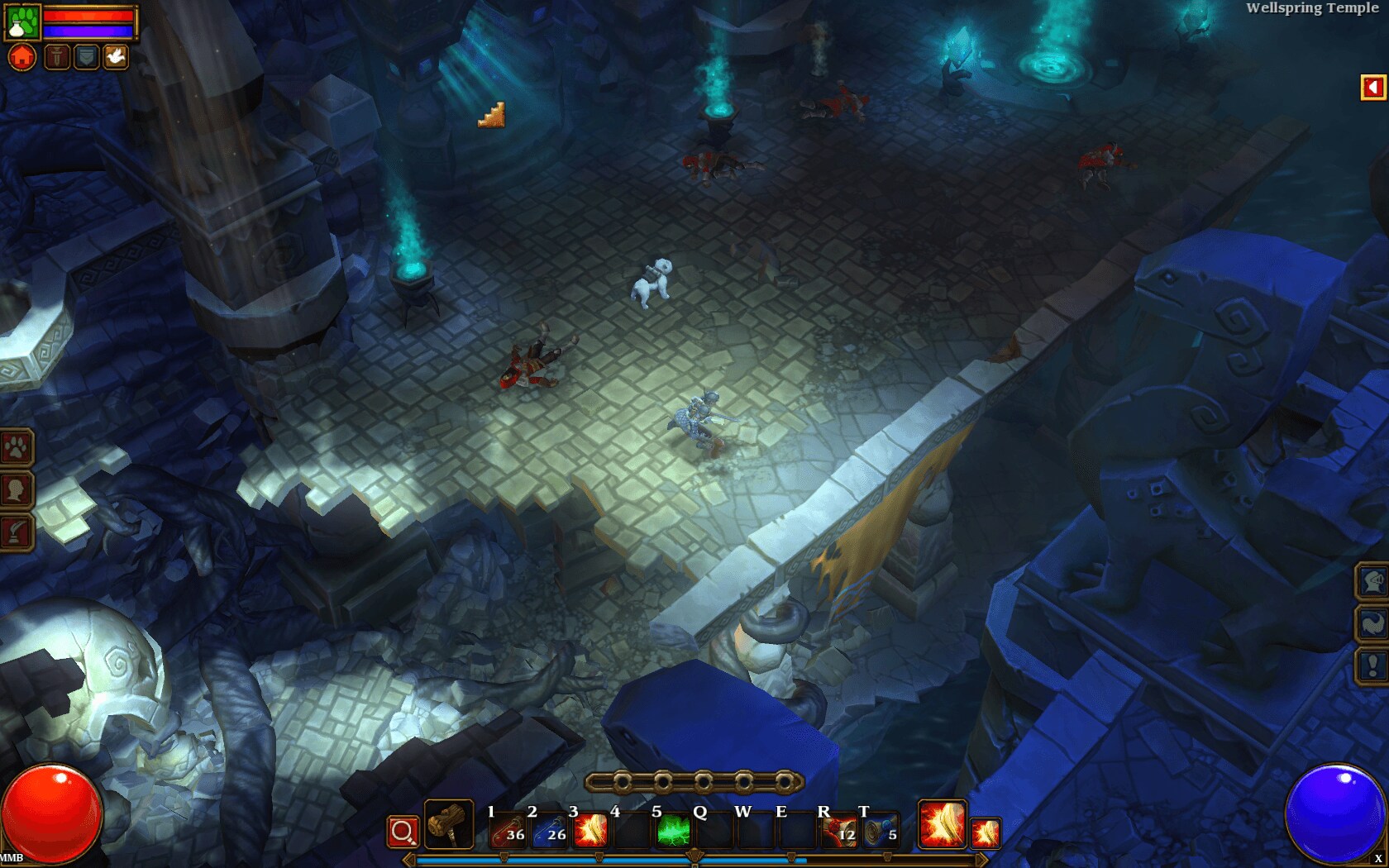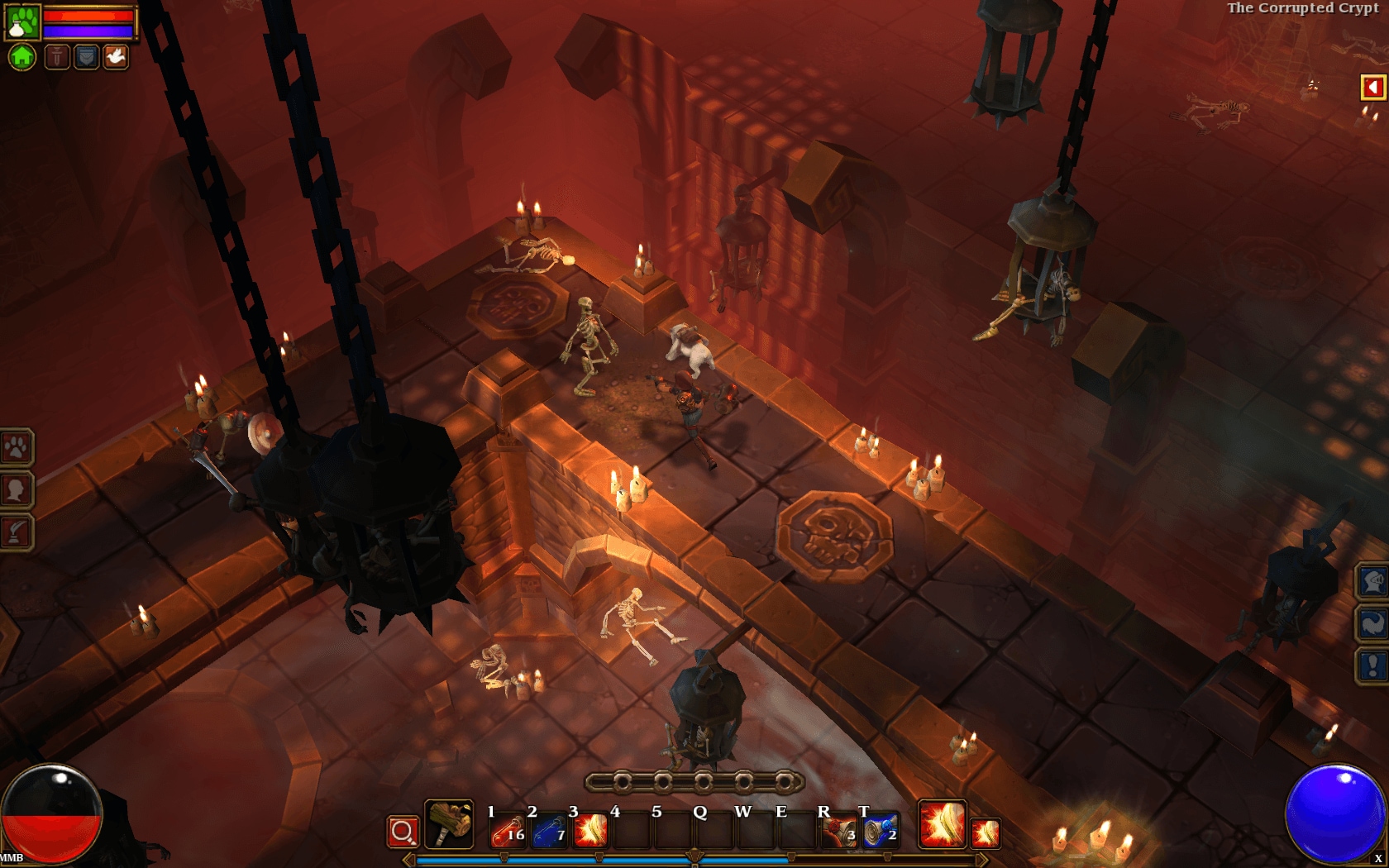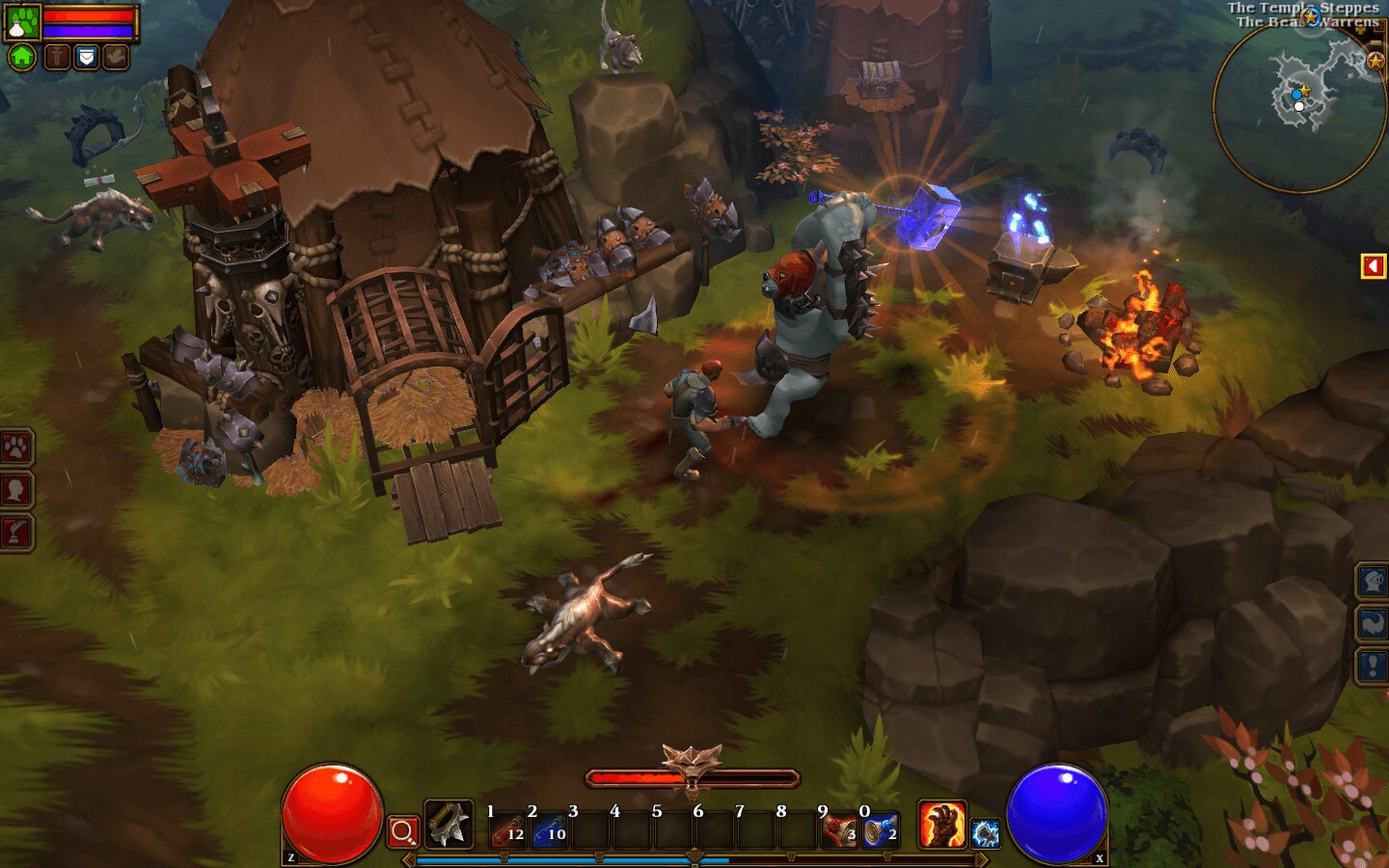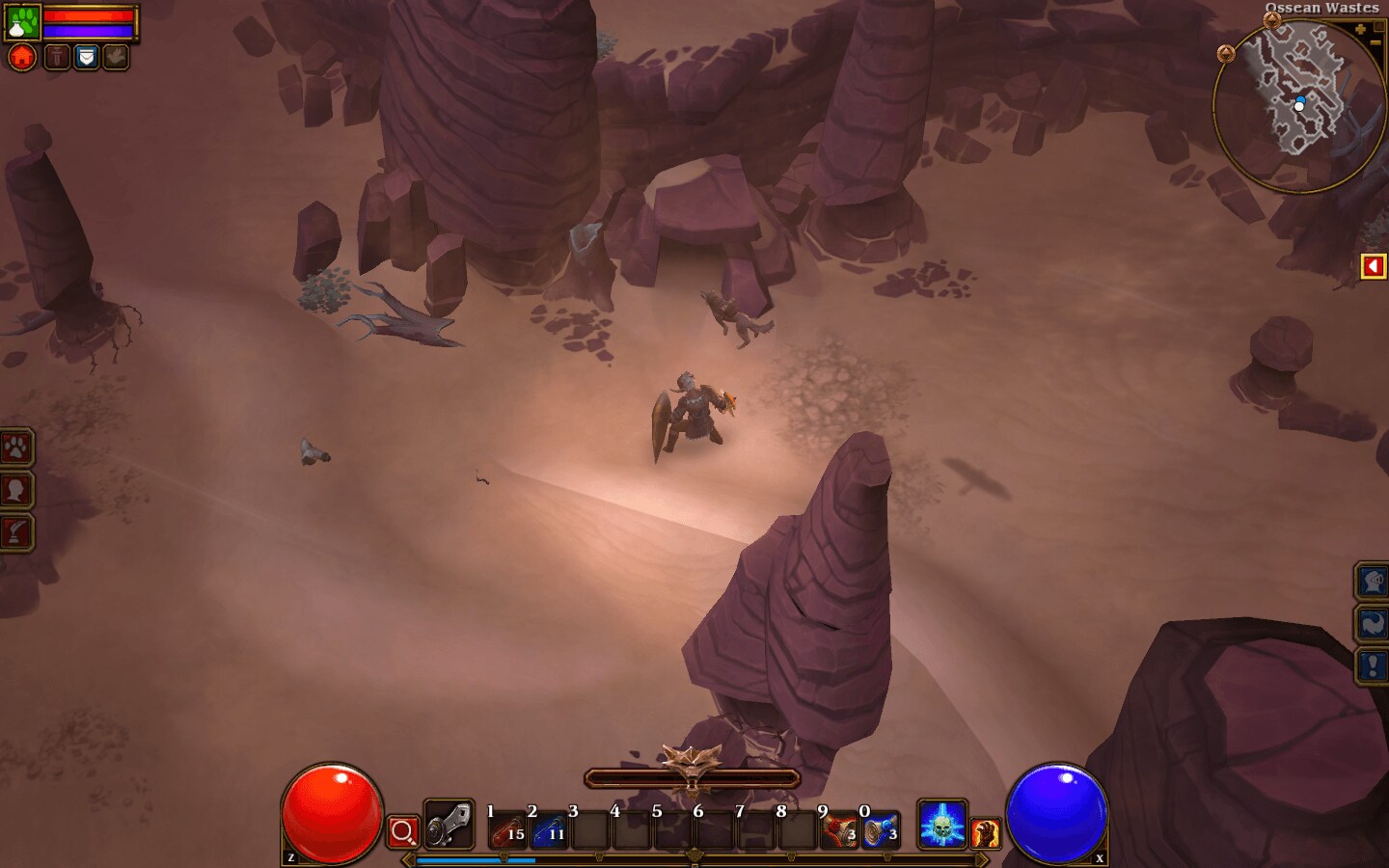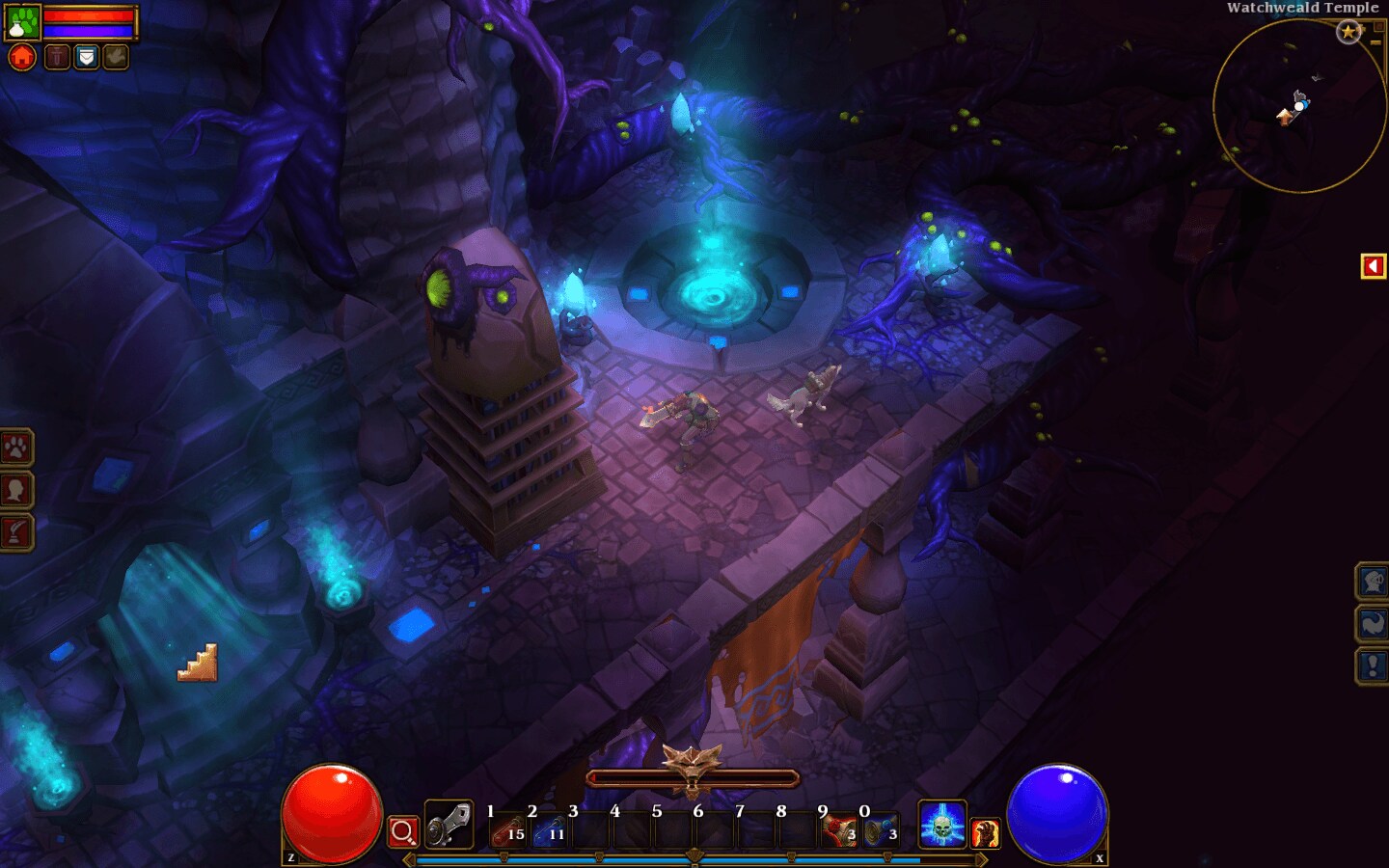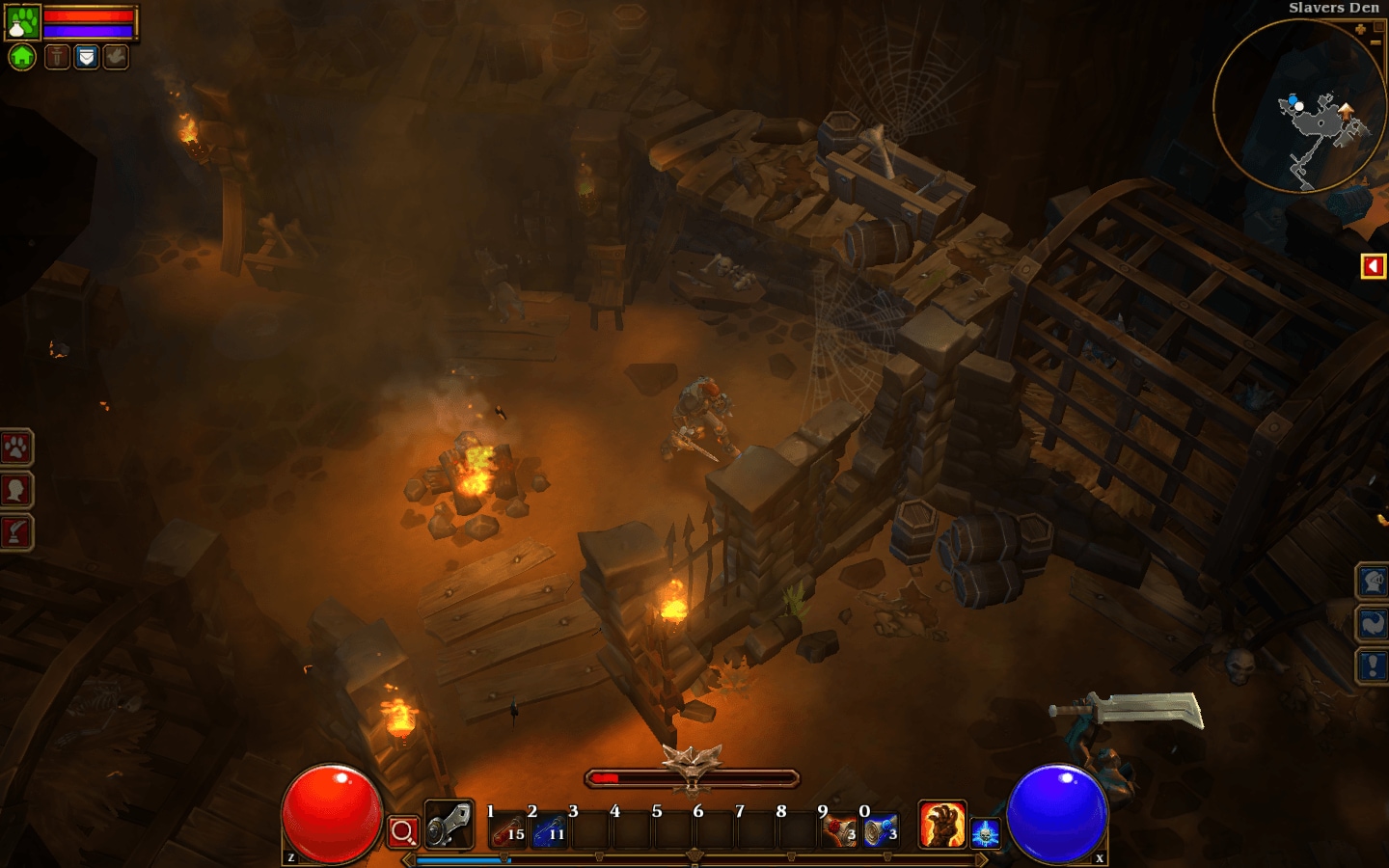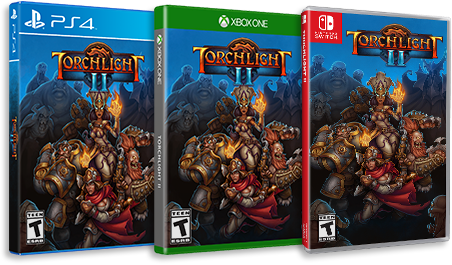



Torchlight returns! The award-winning action RPG is back, bigger and better than ever. Torchlight II takes you once more into the quirky, fast-paced world of bloodthirsty monsters, bountiful treasures, and sinister secrets - and, once again, the fate of the world is in your hands.
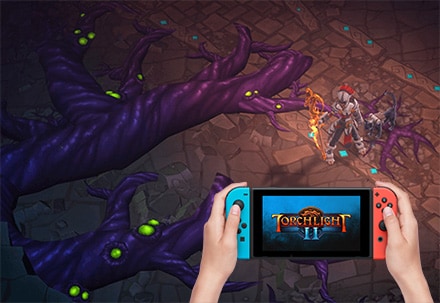 View Media Gallery >
"Runic Games delivers pure, perfectly paced loot-driven euphoria."
-IGN"Torchlight is a vibrant, fun, steampunky world, and exploring it is an absolutely addictive pleasure."
-Joystiq"[A] sprawling, ambitious game that does one thing very, very well. It gives you a world you'll want to explore, filled with enemies you'll love to destroy."
-Kotaku"Grab the game, grab some friends, and get to clicking."
-Destructoid"It's got heart. Moxie. It's the scrappy underdog that everyone wants to love, and it just so happens to be the best Action RPG I've played in years."
-Co-OptimusBut graphics are only half the lesson. Audio fidelity matters just as much—Guitar Hero is a music game, after all. A higher-bit audio dump, correct sample rates, and latency tuning in the emulator can make drums snap and guitars sing with the dynamics the song expects. Learning to match PPSSPP’s audio buffer to my system reduced stutters and the deceptive lag that turns a near-perfect run into a missed streak. I discovered that "extra quality" without synchronized audio is like polishing the strings on a broken guitar.
Finally, the experience collapsed into a lesson about perception. When the visuals and audio reached a balance—clear note highways, punchy audio, steady frames—the game felt not just better-looking but fairer. My timing improved because the cues were unambiguous. That is the real reward of "extra quality": it refines the signal we act on. It allows skill to shine through instead of being masked by artifacts.
I learned the technical scaffolding piece by piece. Resolution scaling is the first lever: instead of stretching a 480×272 image to fill a modern screen, PPSSPP can render internal frames at 2× or 4× that size and then downscale. The result is crisp notes and less shimmering on thin lines—the note highway becomes visually clean, and for a rhythm game, clarity equals accuracy. Texture filtering and anisotropic filtering reduce blur on angled surfaces, so stage banners and guitar faces keep their shapes instead of melting into indistinct color. Shader fixes and high-quality postprocessing restore lighting and reflections that make the stage look alive, not flat cardboard.
Those improvements came with costs, and the trade-offs teach an important engineering principle: optimization is contextual. My decade-old laptop could not sustain 4× rendering and high shader complexity without dropping frames. PPSSPP’s frame skipping and throttling options became practical tools: choose the smallest visual concessions that preserve perfect timing. In practice, that meant favoring stable frame timing and low input latency over ultra-high visual fidelity. The goal is playability—consistent 60 Hz input response and uninterrupted audio—rather than benchmark glory.
It started with a search for fidelity. Guitar Hero 3 on PSP was a compact, faithful port of a console phenomenon: the same soaring solos, the same impossible charts. But PSP hardware cut corners—textures lowered, distant stage details simplified, and the audio sometimes sounded thin compared to home consoles. Emulation promised a way to lift those corners. PPSSPP’s "extra quality" settings whispered of higher-resolution textures, enhanced filtering, and graphical fixes that might make the crowd, the amps, and the guitar’s gleam feel more like the original dream.
Play co-op with other adventurers via LAN or over the internet (up to 4 players on console, and up to 6 on PC). Experiment with character synergies and defeat the greatest evils of Vilderan together.
But graphics are only half the lesson. Audio fidelity matters just as much—Guitar Hero is a music game, after all. A higher-bit audio dump, correct sample rates, and latency tuning in the emulator can make drums snap and guitars sing with the dynamics the song expects. Learning to match PPSSPP’s audio buffer to my system reduced stutters and the deceptive lag that turns a near-perfect run into a missed streak. I discovered that "extra quality" without synchronized audio is like polishing the strings on a broken guitar.
Finally, the experience collapsed into a lesson about perception. When the visuals and audio reached a balance—clear note highways, punchy audio, steady frames—the game felt not just better-looking but fairer. My timing improved because the cues were unambiguous. That is the real reward of "extra quality": it refines the signal we act on. It allows skill to shine through instead of being masked by artifacts.
I learned the technical scaffolding piece by piece. Resolution scaling is the first lever: instead of stretching a 480×272 image to fill a modern screen, PPSSPP can render internal frames at 2× or 4× that size and then downscale. The result is crisp notes and less shimmering on thin lines—the note highway becomes visually clean, and for a rhythm game, clarity equals accuracy. Texture filtering and anisotropic filtering reduce blur on angled surfaces, so stage banners and guitar faces keep their shapes instead of melting into indistinct color. Shader fixes and high-quality postprocessing restore lighting and reflections that make the stage look alive, not flat cardboard.
Those improvements came with costs, and the trade-offs teach an important engineering principle: optimization is contextual. My decade-old laptop could not sustain 4× rendering and high shader complexity without dropping frames. PPSSPP’s frame skipping and throttling options became practical tools: choose the smallest visual concessions that preserve perfect timing. In practice, that meant favoring stable frame timing and low input latency over ultra-high visual fidelity. The goal is playability—consistent 60 Hz input response and uninterrupted audio—rather than benchmark glory.
It started with a search for fidelity. Guitar Hero 3 on PSP was a compact, faithful port of a console phenomenon: the same soaring solos, the same impossible charts. But PSP hardware cut corners—textures lowered, distant stage details simplified, and the audio sometimes sounded thin compared to home consoles. Emulation promised a way to lift those corners. PPSSPP’s "extra quality" settings whispered of higher-resolution textures, enhanced filtering, and graphical fixes that might make the crowd, the amps, and the guitar’s gleam feel more like the original dream.
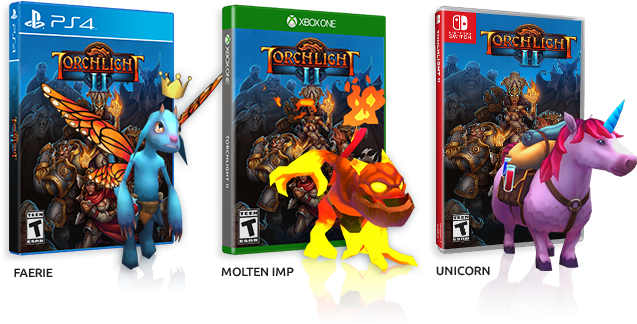
These popular features make their return in Torchlight II in improved form. More choices, better effects, and your pet will still make the run to town to sell your loot so you don't have to.

Want to make your own levels and characters? With GUTS, the Torchlight II editor, you’re using the exact same tools we used to make the game. Check out the official wiki to start creating new experiences and share them with the world.
Torchlight II also supports Steam Workshop, allowing for automatic mod subscription and synchronization. Choose from over a thousand mods and bend the game to your will. Or create your own and share your work with the entire world!